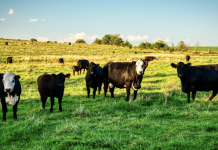
A recent survey of over 300 cow-calf producers across Western Canada revealed that just 59% had conducted laboratory feed testing at least once in the past three years. Among those who had not, nearly two-thirds believed testing was unnecessary because their cattle appeared healthy. However, industry experts caution that relying solely on visual assessments may overlook subclinical nutrient deficiencies that can quietly affect animal performance and long-term profitability.
Forage quality can vary significantly from year to year, between fields, and even within the same field. Factors such as plant species, stage of maturity, soil fertility, and weather conditions influence the nutritional value of feed. Without laboratory analysis, it is difficult to determine whether energy, protein, and mineral levels meet the needs of cows at various production stages.
Feed testing provides producers with accurate data to guide ration balancing and nutrient management. By knowing the actual nutrient content of feedstuffs, producers can make informed decisions about feed allocation, adjust supplementation strategies, and reduce unnecessary costs. Testing also enables better use of alternative or lower-cost feed sources, particularly during years with limited forage availability or elevated hay prices.
In addition to improving feed efficiency, testing helps producers match feed quality to cow requirements during mid-gestation, late gestation, and lactation. This targeted feeding approach supports reproductive performance, calf health, and overall herd productivity.
Feed testing also plays a role in risk management by identifying potential issues such as moulds, mycotoxins, nitrates, or mineral imbalances. Early detection allows for corrective action before animal health is compromised.
Standard feed testing packages from Canadian commercial laboratories typically range from $18 to $200, depending on the number and type of analyses performed. More comprehensive testing is available for specialized needs.
Conclusion
Feed testing is a low-cost management tool that supports cost control, nutrition planning, and herd health. By shifting from assumption to analysis, cow-calf producers can better manage feed resources, enhance reproductive outcomes, and protect their bottom line in an increasingly variable production environment.