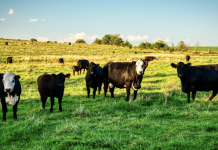
When combines roll through the fields each fall, they leave behind more than bare ground. Corn stalks, husks, and leaves—the “leftovers” known as residue—can be put to good use as feed for beef cattle. But producers often ask: will grazing that residue hurt the soil or next year’s corn crop?
University of Nebraska scientists set out to answer that question with years of field trials. Their research (Rakkar et al., 2017 and Ulmer et al., 2017) shows that, with good management, grazing corn residue is not only safe—it’s a practice that works for both the cow and the crop.
What the Studies Tell Us
-
Yields stay steady
Next year’s corn harvest didn’t drop on grazed acres. In fact, some trials saw yields tick upward, showing that cows aren’t stealing from the soil’s pantry. -
Soil holds up
Walking hooves can compact soil, but tests showed little to no impact when cattle grazed during dry or frozen conditions. Roots and water movement weren’t restricted. -
Water keeps moving
The ability of soil to soak in and store moisture stayed the same on grazed fields. That means no setbacks for future crops when it comes to water supply. -
Residue still protects
Cattle consumed part of the residue, but not all. Enough cover remained to guard against erosion and support soil microbes.
Practical Pointers for Beef Producers
-
Pick your window: Aim for fall or winter when soils are frozen or dry. Avoid grazing on wet, saturated ground.
-
Watch the grain: Combine spills can cause cattle to gorge on corn—clean it up before turnout.
-
Stock smart: Moderate stocking rates leave enough residue behind to shield the soil surface.
Turning Research Into Results
Grazing corn residue isn’t just an option to stretch forage supplies—it’s a proven way to reduce feed costs and keep cattle in good condition while making full use of every acre. Long-term trials show it doesn’t harm soil health or cut into next year’s corn crop, provided it’s managed wisely.
For beef producers, that means confidence: residue grazing can be built into a sustainable system where cattle, crops, and soil all benefit.