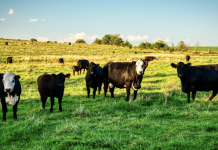
Salmonella remains a major cause of foodborne illness in the United States, and beef products are among the possible sources. A new study led by researchers at Texas A&M University is exploring a preventative strategy that starts not at the processing plant—but in the feedlot.
Scientists at the Texas A&M College of Veterinary Medicine and Biomedical Sciences (VMBS) recently published findings in Microbiology Spectrum highlighting how cattle diets—particularly those high in starch—could influence the presence of Salmonella, especially in lymph nodes, which are difficult to sanitize during meat processing.
Why Lymph Nodes Matter
When cattle are processed for ground beef, fatty trimmings containing lymph nodes may be included to balance fat content. These internal tissues can harbor Salmonella, effectively shielding the bacteria from standard surface cleaning methods. This makes them an important focal point for researchers trying to understand and reduce contamination risks.
Study Findings: Diet as a Defense
To assess the impact of feed composition and timing, Texas A&M researchers partnered with West Texas A&M University to analyze cattle on various feeding schedules and diets. Over seven months, they collected and analyzed samples of feces, hides, lymph nodes, and soil from feedlot pens.
While the timing of feedings (whether consistent or irregular) had minimal influence on Salmonella levels, one variable stood out: the starch content in the diet. Cattle consuming a high-starch, grain-heavy diet exhibited lower levels of Salmonella—particularly in the lymph nodes.
The researchers suggest that a high-starch diet may lower pH in the rumen, creating an unfavorable environment for Salmonella survival in the digestive system and beyond.
Balancing Risks and Rewards
However, high-starch feeding is not without drawbacks. Other studies, including those led by Dr. Kendall Samuelson of West Texas A&M, have linked such diets to a greater risk of liver abscesses in cattle. As a result, the Texas A&M team plans to refine their work to determine the ideal starch concentration that can lower bacterial load without causing health issues in the animals.
What Comes Next: Tracking Salmonella Strains
Beyond diet, researchers are now turning to genetic analysis to identify the specific Salmonella strains present in the samples. This will allow them to track how different serotypes respond to environmental conditions and antibiotics, and whether certain strains are more resilient or transmissible.
Encouragingly, preliminary results show a low occurrence of antibiotic-resistant Salmonella strains in the cattle studied. While this is good news from a public health standpoint, ongoing surveillance will be crucial to detect any changes in resistance patterns over time.
Parallel Research on Prebiotics and Gut Health
In a related line of inquiry, other scientists have been exploring how dietary fibers—like pectin and resistant starch type-4 (RS-4)—influence gut health and satiety in animal models. In obese rats, these prebiotics improved metabolic markers, reduced appetite, and shifted gut microbiota composition. Importantly, their appetite-suppressing effects appeared to be mediated by increased activity of gut hormones such as peptide YY (PYY) and cholecystokinin (CCK).
While this research doesn’t directly target food safety in livestock, it underscores how diet can shape microbial populations and influence systemic health—further supporting the idea that what animals eat can have downstream effects on both product quality and consumer safety.
Conclusion: A Path Toward Safer Beef
These findings open the door for potential dietary interventions in beef production that not only improve animal health but also reduce the risk of harmful pathogens entering the food chain. As researchers continue to fine-tune dietary formulas and evaluate microbial outcomes, the industry may soon have new tools for tackling one of its most persistent food safety challenges.