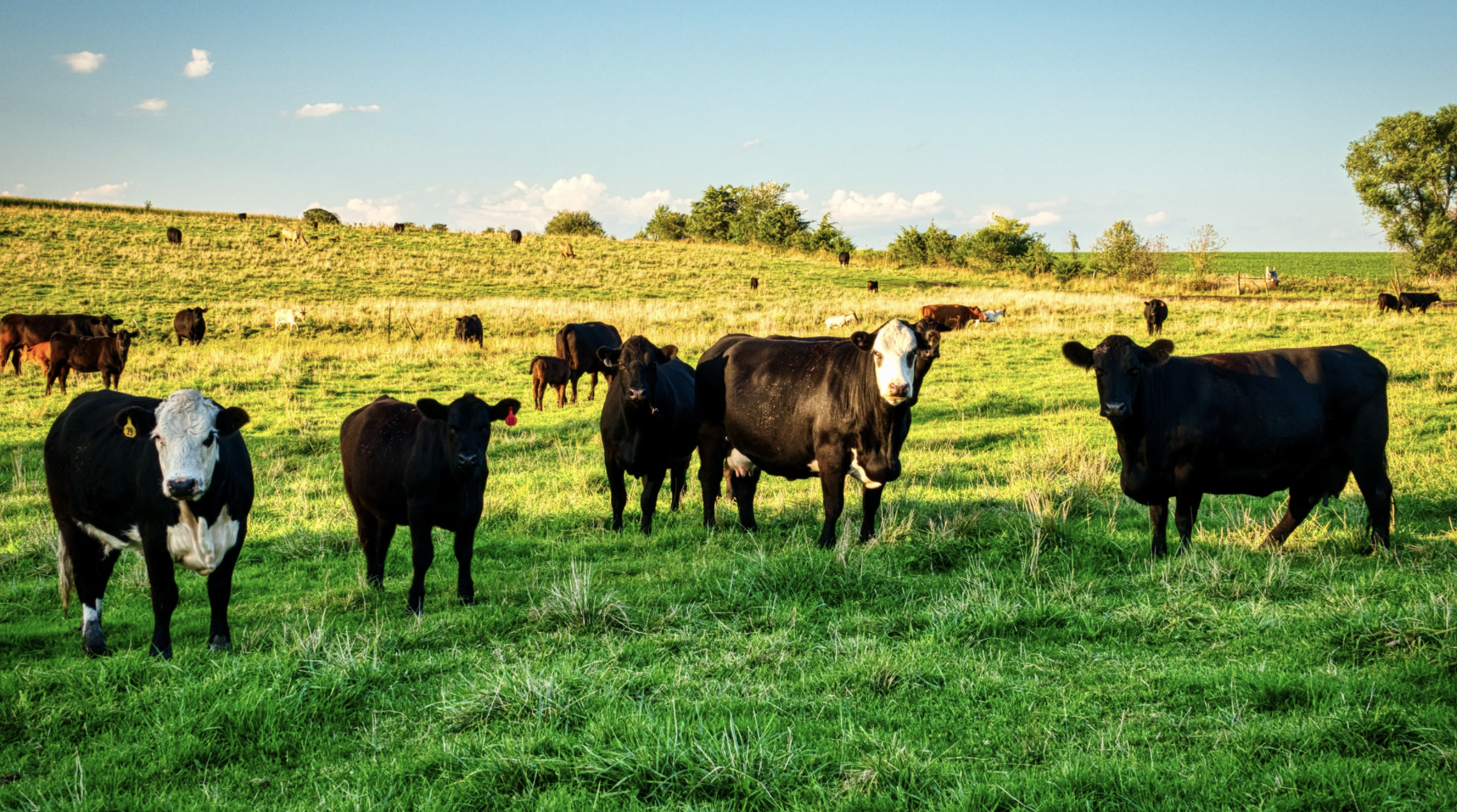
Agtech company Halter has raised $220 million in new funding, highlighting continued investment in digital tools for livestock production.
The Series E round, led by Founders Fund, values the company at $2 billion. The investment reflects growing interest in technologies that support grazing management and labour efficiency in beef operations.
Virtual fencing adoption expands
Halter’s system uses GPS-enabled collars to manage cattle within virtual boundaries. The collars guide animals using audio cues and vibration, allowing producers to move cattle without building or maintaining physical fencing.
The company reports more than 2,000 operations across New Zealand, Australia, and the United States are using the system. Since launching in the U.S. in 2024, ranchers have built approximately 60,000 miles of virtual fencing.
For beef producers, the technology is most relevant in extensive grazing systems. It can help manage large land bases, adjust grazing pressure, and respond to changing pasture or environmental conditions.
Expansion and product development
The new funding will support expansion in the U.S., Australia, and New Zealand, with additional growth planned in the U.K. and Ireland. The company also reports early adoption in Canada and is exploring further opportunities across the Americas.
Investment will also continue in product development. Areas of focus include animal monitoring and pasture management, which may support more data-driven decisions in grazing systems.
Adoption depends on fit at the ranch level
Interest in virtual fencing continues to grow, but adoption varies by operation.
Factors such as terrain, connectivity, herd size, and cost all influence whether the technology fits within an existing system. For some operations, it may reduce labour and infrastructure needs. For others, practical limitations may affect uptake.
Broader shift toward digital livestock tools
The funding reflects a wider trend across the beef industry. Producers are increasingly evaluating technologies that combine sensors, software, and data to improve efficiency and management.
As these tools evolve, their long-term value will depend on how well they perform under real-world conditions and integrate into day-to-day ranch operations.